
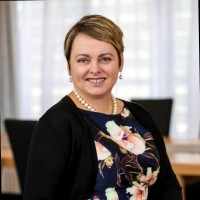
In the dynamic and often challenging landscape of Australian schooling, effective leadership is not just desirable—it’s essential. At the heart of Good to Great Schools Australia stands a leader whose commitment to educational equity, evidence-based practice, and transformational change has quietly shaped the future of many schools. That leader is Bernardine Denigan, Deputy Director (and founding CEO) of GGSA.
A Journey Rooted in Purpose and Impact
Bernardine brings to her role more than administrative skill: she brings decades of experience working at the intersection of education, community, and Indigenous development. Before her leadership at GGSA, she served as CEO of Cape York Partnership, focusing on Indigenous advancement, community development, and bridging gaps between remote communities and policy systems.
Her career has been punctuated by opportunities to deepen her knowledge. She was a recipient of a Winston Churchill Fellowship, studying education reform in the United States. She also earned a scholarship to spend time at Harvard Business School (2011–12), sharpening her leadership, strategy, and organisational capacities.
These experiences have equipped her not just with credentials, but with nuance: an ability to listen deeply to communities, to translate high-level ideas into real school change, and to foster partnerships across government, schools, and local stakeholders.
Mission-Driven Leadership at GGSA
At Good to Great Schools Australia, Bernardine has been a central force in shaping the organisation’s direction, culture, and impact. She plays multiple roles: visionary strategist, program overseer, coach to school leaders, mentor to teams, and ambassador to external stakeholders.
Under her guidance:
GGSA has evolved into a leading provider of evidence-based teaching support, professional development, and school improvement frameworks.
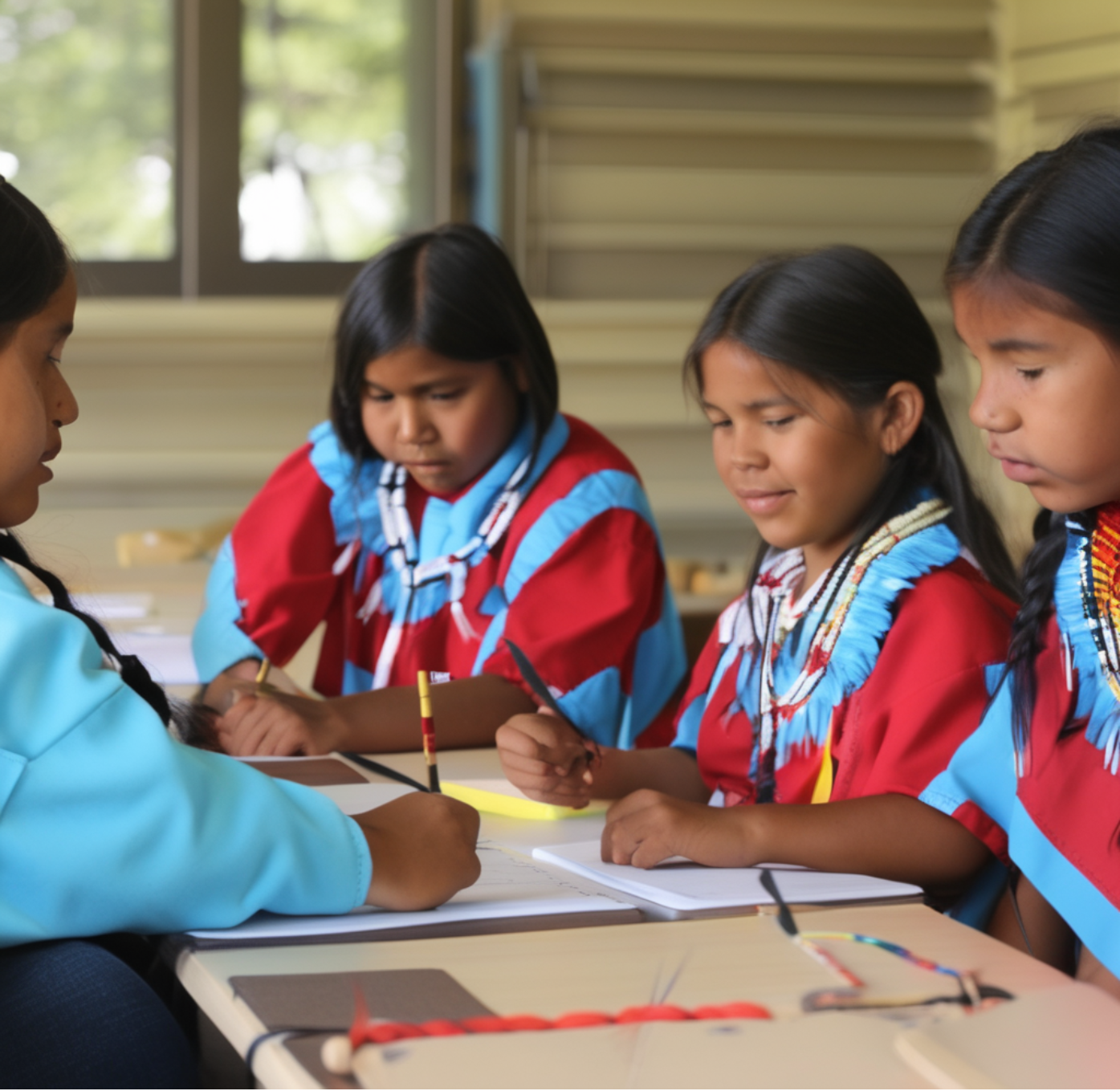
GGSA’s partnership with the Queensland Government, especially through the Cape York Aboriginal Australian Academy (CYAAA), has been a notable success story—taking campuses that were historically underperforming and steering them toward significant improvement.
The emphasis on co-design, adaptation to local context, and operational excellence under her oversight has ensured that GGSA’s work is not just theory but practice.
In her role, Bernardine actively fosters a culture of continuous learning, accountability, and collaboration. She supports cross-functional teams within GGSA to translate mission into action, and she keeps one eye on the horizon: scaling impact, refining tools, and ensuring that GGSA remains responsive to evolving needs in Australian education.
Core Values and Beliefs
What distinguishes Bernardine’s leadership is not just what she does, but how she does it. Three interlocking values guide her:
Equity & Inclusion
She consistently prioritises schools and students in remote, regional, and Indigenous communities—those often sidelined in national reforms. She believes deeply that access to high-quality teaching should not depend on postcode or background.Evidence & Pragmatism
Bernardine is a staunch advocate for evidence-based educational practice. She rejects educational fads in favour of initiatives grounded in rigorous research and proven models, yet she infuses this with pragmatism—adapting to what works in real classrooms, not just in theory.Co-Design & Partnership
She recognises that sustainable change cannot be done to schools; it must be done with them. Her leadership style is collaborative—inviting local knowledge, building trust, and ensuring that solutions are grounded in community realities.
These values aren’t abstract — they are visible in how GGSA partners with schools, supports leadership teams, and ensures adaptability in its programs.
Impact That Speaks
Under Bernardine’s leadership, the impact of GGSA’s work is tangible, both in school performance and in communities. Some highlights:
Schools that adopt GGSA’s frameworks report improvement in literacy, numeracy, attendance, and student engagement.
Leadership teams across Australia note stronger coherence in school planning, clearer instructional priorities, and more empowered teachers.
Communities in remote and Indigenous regions have become more engaged in school improvement, with culturally responsive practices embedded into curriculum and culture.
GGSA’s reputation has grown—drawing interest from state systems, philanthropic partners, and international collaborators.
These outcomes reflect not only good strategy but sustained leadership that bridges ambition with grounded execution.
Her Voice in Broader Educational Discourse
Bernardine is not just a leader within GGSA — she is a respected voice in the broader Australian education ecosystem. She participates in policy dialogues, contributes to sector events, and shapes thinking around how to scale authentic school improvement across diverse contexts.
Her leadership is trusted because she speaks from lived experience — she understands the constraints, the hopes, and the local realities that educators face. She doesn’t advocate from the ivory tower; she leads from the field.
Looking Forward: The Vision That Drives Her
As GGSA matures and expands, Bernardine’s vision remains expansive and unwavering. She looks toward:
Further scaling of high-impact programs so that every Australian school, regardless of location, has access to excellence in teaching.
Continued refinement and adaptation of frameworks to respond to new challenges (e.g. evolving student needs, remote learning, equity imperatives).
Stronger connections and partnership across governments, communities, researchers, and schools to sustain long-run change.
Mentoring and developing future leaders in the education sector, ensuring that leadership capacity is not a bottleneck but a multiplying force.
Her foresight sees GGSA not simply as a consultancy or support agency, but as a movement: shifting norms, raising expectations, and reimagining what is possible in Australian schooling.
Why Her Leadership Matters
In many ways, the role Bernardine plays is catalytic. She is the leader who sees potential in places others may overlook. She builds bridges between ambition and feasibility. She is relentless about ensuring that research, practice, and community voice come together—not in tension, but in powerful synergy.
For teachers, principals, policymakers, and education advocates, Bernardine is a trusted partner. Her leadership engenders confidence that change is doable, even in the hardest environments.
Her professional life is a testament to possibility: that with clarity of purpose, persistence, and partnership, “good” can indeed become “great.” She reminds us that transformation in education is not just about metrics or rankings but about people — about learners, teachers, and communities.

Write a comment ...